
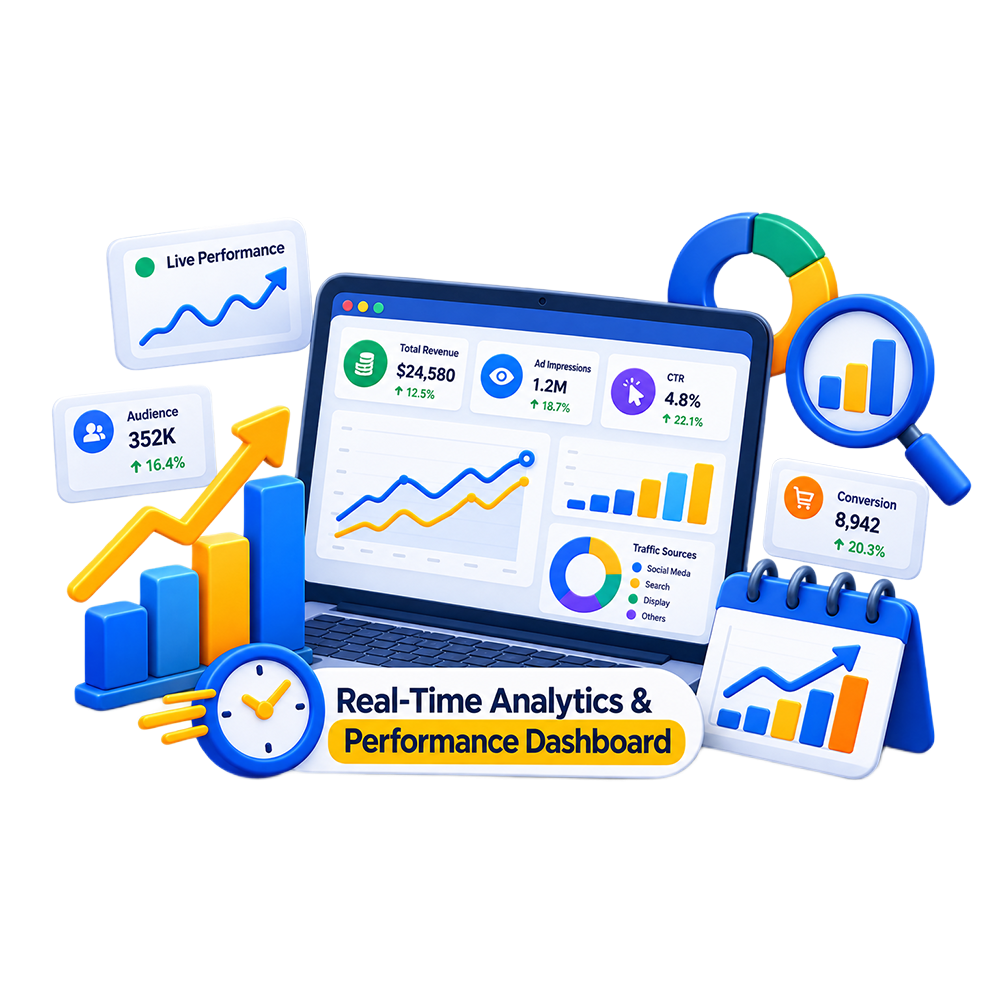
Launching an app is only the first step. The bigger challenge is getting the right people to discover it, install it, open it, and continue using it. Bunce Ads CPI campaigns help app businesses build measurable user acquisition programs focused on generating app installations through performance marketing.
CPI stands for Cost Per Install. Under this model, advertisers pay based on qualifying app installations attributed to their advertising campaigns. Google Ads similarly defines CPI as the amount associated with each app installation on a user’s device.
For app developers and businesses, CPI can provide a clear acquisition metric and a straightforward way to measure the cost of expanding an app’s user base. But successful mobile acquisition goes beyond the installation itself. The quality of acquired users, their engagement, retention, and eventual in-app actions can have a major impact on the real value of a CPI campaign.
At Bunce Ads, we combine mobile-focused publisher partnerships, campaign tracking, performance monitoring, traffic-quality controls, and optimization to help advertisers acquire users with greater visibility into campaign performance.
Cost Per Install is a mobile performance marketing model where advertisers pay for qualifying app installations generated through approved traffic sources.
For example, a gaming company may use CPI to acquire new players, while a shopping app may use it to increase its user base.
A financial application could focus on installations followed by registration, while an education app may want new users to install and complete onboarding.
The primary conversion in a CPI campaign is the install, but advertisers can also monitor what users do after installing the application.
This distinction is important because a large number of installations does not automatically mean a successful user acquisition campaign. Current mobile measurement practices increasingly consider post-install events, retention, and user value when evaluating acquisition quality.




Publish Ads
A strong CPI campaign starts by understanding the app and the business objective behind user acquisition.
At Bunce Ads, campaign planning can consider the app category, target audience, operating system, geographic market, acquisition budget, expected user behavior, and desired conversion events.
For some advertisers, the primary goal may be to maximize installs. Others may want users who register, subscribe, make purchases, or regularly engage with the app.
Defining these objectives early helps create a more meaningful acquisition strategy.
Mobile advertising provides access to audiences across different devices, locations, interests, and digital environments. Bunce Ads connects app advertisers with relevant publishers and performance partners based on campaign requirements.
Depending on the campaign, mobile acquisition can involve display, native, interstitial, video, and other suitable advertising environments.
Audience relevance matters because the objective is not simply to generate downloads. It is to reach users who have a genuine reason to install and potentially use the application.
CPI campaigns can be structured around Android, iOS, or both operating systems depending on the app and campaign requirements. Targeting may consider country, region, device, operating system, audience characteristics, and other campaign parameters.
Mobile attribution can also vary across platforms and measurement systems. Apple notes that mobile measurement providers can help monitor downloads and post-install events across marketing channels, while attribution methodologies may differ between platforms and providers.
This makes accurate measurement and clearly defined attribution especially important for mobile acquisition.
Without accurate attribution, advertisers may struggle to understand which traffic sources generated their users. Tracking can provide visibility into installs, publishers, traffic sources, acquisition costs, device performance, geographic performance, and post-install activity.
This information allows advertisers to compare sources and identify where campaign performance is strongest.
As data accumulates, campaign managers can determine which publishers are producing valuable users and which sources may require optimization.
Network of Publishers
The install should be viewed as the beginning of the user journey rather than the final goal.
For many apps, the most valuable metrics occur after installation. These can include registration, onboarding completion, first purchase, subscription, in-app engagement, retention, or other meaningful events.
For example, an app may acquire 10,000 installs but discover that only a small percentage of those users become active. Another campaign may generate fewer installs but produce users with much stronger engagement and retention.
The second campaign may ultimately be more valuable.
For this reason, CPI performance should be evaluated alongside post-install behavior whenever appropriate.

Mobile advertising can be affected by invalid activity, including fake installs, click manipulation, attribution abuse, and other forms of fraud. Industry research and fraud-monitoring sources document several mobile-specific risks, including click injection, click flooding, device spoofing, install farms, and other methods that can distort attribution.
For advertisers, this means install volume alone should not be treated as proof of campaign success.
Bunce Ads focuses on campaign monitoring and traffic-quality controls to help identify unusual activity and protect campaign performance. Clear campaign requirements and appropriate attribution practices can provide an additional layer of accountability.

Once a campaign is live, performance data can reveal differences between traffic sources, publishers, locations, devices, and audiences. Optimization can involve reallocating campaign volume toward stronger sources, testing different advertising creatives, refining geographic targeting, evaluating device performance, and reviewing post-install behavior.
If a traffic source generates inexpensive installs but poor retention, it may not be the best source for long-term growth. If another source produces slightly more expensive installs but significantly stronger engagement, it may provide better overall value.
This is why CPI optimization should focus on user quality and business outcomes rather than simply chasing the lowest possible installation cost.

CPI campaigns can support applications across many categories. Gaming companies can use them to acquire new players. Shopping apps can expand their customer base. Fintech applications can acquire potential users for financial services.
Education apps can reach students, while travel, entertainment, lifestyle, utility, and subscription applications can use performance marketing to expand their user base.
The campaign structure can be adapted according to the app’s audience, monetization model, and growth objectives.
Different audiences respond to different mobile advertising experiences.
Banner advertising can provide continuous app visibility, while native placements can present an app promotion within relevant content environments. Interstitial formats can provide high-visibility placements at suitable moments, while video can communicate an app’s value proposition more effectively.
The most suitable format depends on the app category, audience, creative assets, publisher environment, and campaign objective.
Testing different formats can help advertisers identify the combinations that generate better acquisition results.
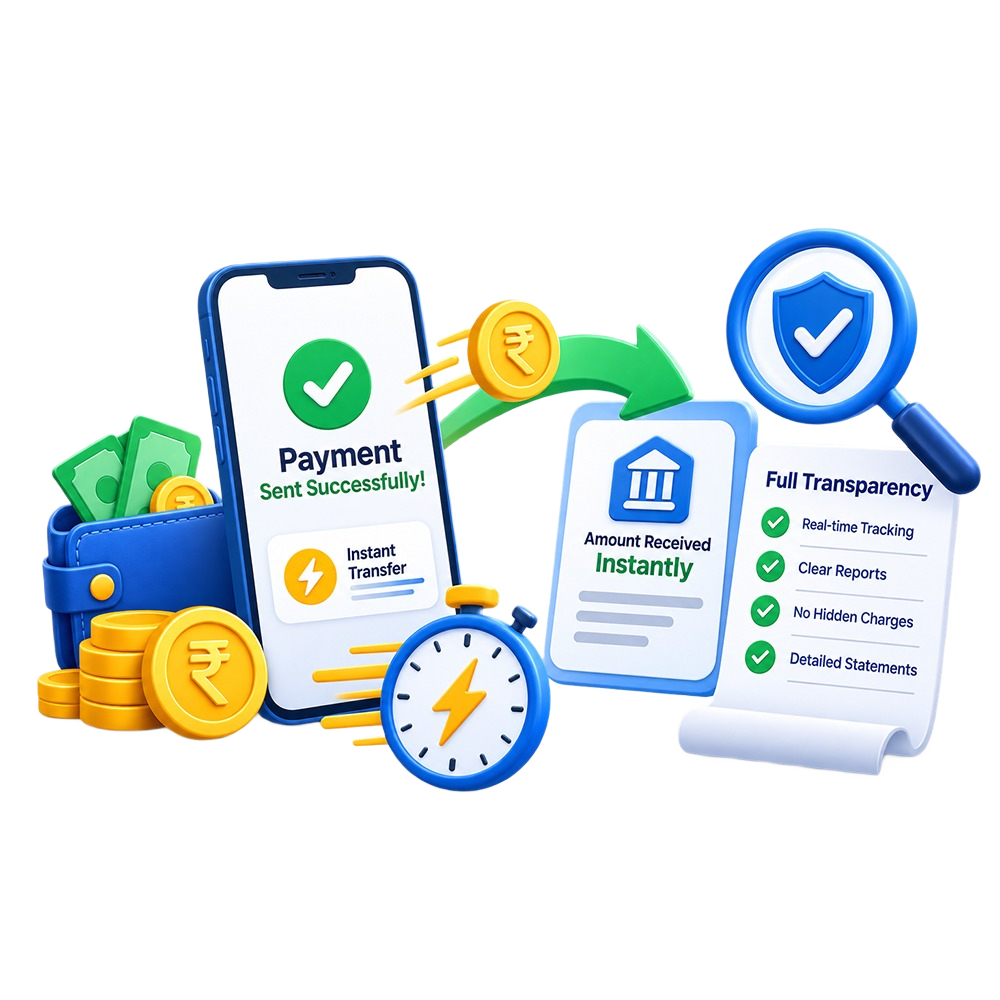
CPI is an important metric, but it should not be viewed in isolation.
Advertisers can monitor installation volume, CPI, conversion rate, publisher performance, geographic performance, device performance, retention, engagement, registration, purchases, and other post-install events.
The most useful KPI depends on the business model.
For a free utility app, active users may be particularly important. For a gaming company, retention and in-app purchases may matter more. For a shopping app, first purchase and customer lifetime value can provide a stronger indication of acquisition quality.
Once a campaign identifies reliable traffic sources and strong-quality users, advertisers can explore ways to scale.
This may involve adding publishers, expanding into new countries, testing additional creative formats, increasing exposure, or focusing on new audience segments.
Scaling should remain connected to performance data. Increasing install volume without monitoring user quality can result in higher acquisition costs without proportional business growth.
Bunce Ads combines mobile publisher partnerships, tracking, campaign monitoring, quality controls, and optimization to help app businesses build scalable acquisition programs.
We focus on helping advertisers understand not just how many users they acquire, but where those users come from and how campaign performance develops after installation.
More installs can help expand your app’s reach, but the right users can help build long-term growth.
Bunce Ads CPI campaigns help mobile businesses connect with relevant audiences, acquire new users, monitor installation performance, evaluate post-install activity, and scale the sources that deliver meaningful results.
Whether you are launching a new app, entering a new market, or looking to accelerate an existing user acquisition program, our performance-focused approach provides the publisher network, tracking, campaign management, and optimization support required to grow.
Start your CPI campaign with Bunce Ads and turn app installs into meaningful user growth.
CPI stands for Cost Per Install. It is a mobile performance advertising model where advertisers pay for qualifying app installations generated through approved marketing campaigns and attributed to participating traffic sources.
An advertiser promotes its application through publishers or other approved traffic sources. A user interacts with the advertisement and installs the app, and tracking technology attributes the qualifying installation to the appropriate campaign or source.
Yes. CPI is specifically associated with acquiring installations of software or mobile applications. It is commonly used by app developers and businesses seeking to grow their mobile user base.
CPI campaigns can be structured around Android, iOS, or both depending on the application, market, campaign requirements, and available tracking setup.
No. A low CPI can be useful, but it does not necessarily indicate high-quality acquisition. Advertisers should also consider registration, engagement, retention, purchases, revenue, and other post-install metrics.
Where the appropriate tracking and attribution setup is available, advertisers can monitor post-install events such as registrations, purchases, subscriptions, engagement, and other in-app actions.
Campaign performance and traffic patterns can be monitored for unusual activity and potential quality issues. Advertisers can also establish campaign requirements and approved traffic conditions to support better acquisition quality.
Depending on the campaign, app promotions can use banner, native, interstitial, video, and other mobile advertising formats. The appropriate format depends on the app, audience, publisher environment, and campaign objective.
Yes. Mobile acquisition campaigns can be structured around specific countries or regions according to the app’s target market and campaign requirements.
Share your app details, operating system, target countries, audience, acquisition goals, tracking setup, and campaign requirements with the Bunce Ads team. We can help develop a CPI strategy around your user acquisition objectives.