



Publish Ads
What if your advertising spend could be directly connected to completed sales? Bunce Ads CPS campaigns help businesses build performance-based sales programs where publishers are rewarded for generating qualifying transactions.
CPS stands for Cost Per Sale. It is a performance marketing model in which an advertiser pays a publisher or partner when a qualifying sale is successfully completed and attributed to that partner.
For e-commerce businesses, this model creates a direct connection between marketing activity and revenue. Instead of focusing only on impressions, clicks, or general website traffic, CPS campaigns are structured around the commercial outcome that matters most: the sale.
At Bunce Ads, we help advertisers develop CPS campaigns around their products, target customers, sales objectives, publisher requirements, and commercial targets. Our approach combines campaign strategy, publisher partnerships, tracking, transaction validation, reporting, and optimization to create a measurable sales acquisition channel.
Cost Per Sale, also known as Pay Per Sale in some affiliate marketing environments, is a model where publishers earn a commission or agreed payout for each qualifying sale they generate for an advertiser.
The sale is normally attributed using tracking technology that connects the customer’s journey to the publisher who referred the user. This allows advertisers to understand which partners are generating revenue and helps publishers receive credit for qualifying transactions.
CPS can be particularly useful for e-commerce because the advertiser’s payment is linked to a completed transaction rather than simply a visit or impression.
However, the campaign needs clear terms. Advertisers and publishers should understand which products qualify, which traffic sources are permitted, what constitutes a valid sale, and how cancellations, refunds, returns, and duplicate transactions are handled.


Publish Ads
A successful CPS campaign begins with a commercially attractive offer.
Before launching, advertisers should consider product demand, pricing, margins, target customers, promotional assets, commission structure, geographic availability, and customer experience.
At Bunce Ads, we can help structure campaigns around these factors so publishers have a clear understanding of the offer they are promoting.
The stronger the connection between the product and the publisher’s audience, the greater the potential for relevant traffic and sales.

Publishers can play an important role in expanding product discovery. Content websites, product-focused publishers, comparison platforms, niche communities, promotional partners, and other approved performance channels can introduce products to audiences that may already have purchase intent.
Bunce Ads helps advertisers identify publisher opportunities based on product category, audience relevance, market, and campaign requirements.
Rather than simply seeking the largest possible publisher base, the objective is to create partnerships that have genuine potential to generate transactions.

Sales tracking is one of the most important components of a CPS campaign. When a customer interacts with a publisher's promotion and completes a purchase, tracking technology helps attribute that transaction to the appropriate source.
This allows advertisers to understand which publishers generate sales, which products perform best, which markets convert more effectively, and where additional investment may be worthwhile.
Without accurate attribution, it becomes difficult to evaluate publisher performance or determine the true return from a CPS campaign.

Not every transaction should necessarily be treated as a final qualifying sale. Depending on the campaign terms, transactions may need to be reviewed for cancellations, refunds, returns, duplicate orders, invalid activity, or other conditions.
Clear validation rules help create transparency between advertisers and publishers. They also help ensure that campaign reporting reflects meaningful commercial activity rather than simply counting every transaction generated through a tracking link.
Bunce Ads supports a performance-focused approach where campaign requirements and transaction quality can be monitored throughout the campaign lifecycle.

Network of Publishers
A successful CPS campaign should not be judged only by the number of orders.
Advertisers should also understand which products are selling, the value of transactions, customer quality, publisher contribution, conversion rates, and overall campaign profitability.
For example, one publisher may generate many low-value orders while another generates fewer but significantly higher-value transactions. Looking at revenue and customer value alongside sales volume can provide a more accurate view of campaign performance.
This allows advertisers to prioritize the partnerships that contribute the greatest commercial value.
CPS campaigns can also provide valuable information about product performance. Once enough data is available, advertisers can identify which products generate stronger conversion rates, which offers attract more customers, and which publisher audiences respond best.
Campaign optimization may involve testing different products, offers, promotional messages, landing pages, creatives, publisher types, or geographic markets.
High-performing products and publishers can then receive greater attention, while weaker combinations can be reviewed.
Driving visitors to a website is only one part of the sales journey. The product page, pricing, trust signals, checkout process, payment options, shipping information, and overall user experience can influence whether a visitor completes a purchase.
If publishers are sending relevant traffic but conversions remain low, advertisers may need to examine the website experience rather than simply increasing traffic.
This is why CPS performance should be evaluated across the complete customer journey.
Scaling may involve adding more publishers, increasing exposure, promoting additional products, entering new markets, testing different promotional formats, or increasing incentives for high-performing partners.
Once advertisers identify publishers that consistently generate qualifying sales, they can begin scaling the campaign.
The goal is controlled growth. Rather than increasing campaign volume blindly, advertisers can use performance data to determine where additional investment is most likely to generate revenue.
CPS is particularly relevant for e-commerce brands because transactions can be tracked directly online.
Retailers can promote fashion, electronics, beauty products, home products, consumer goods, subscriptions, digital products, travel offers, and other commercially trackable products and services.
The model can also work for businesses with online booking or transaction systems where a completed purchase can be attributed to a marketing partner.
CPS campaigns can be evaluated using metrics such as sales volume, conversion rate, cost per sale, revenue, average order value, publisher performance, transaction approval rate, return rate, and campaign ROI.
Looking at these metrics together helps advertisers understand whether a campaign is actually contributing profitable growth.
A publisher producing a high number of sales may not necessarily be the best-performing partner if those transactions have high cancellation rates or low order values. Performance data provides the context needed to make better decisions.
Your products deserve more than exposure. They need to reach people who are ready to consider and purchase them.
Bunce Ads CPS campaigns help brands connect with performance publishers, track sales, validate transactions, optimize campaign performance, and scale the sources that deliver measurable revenue.
Whether you are an e-commerce business launching a new product or an established brand looking to expand online sales, a well-structured CPS program can become an important part of your customer acquisition strategy.
Launch your CPS campaign with Bunce Ads and turn performance into measurable sales.
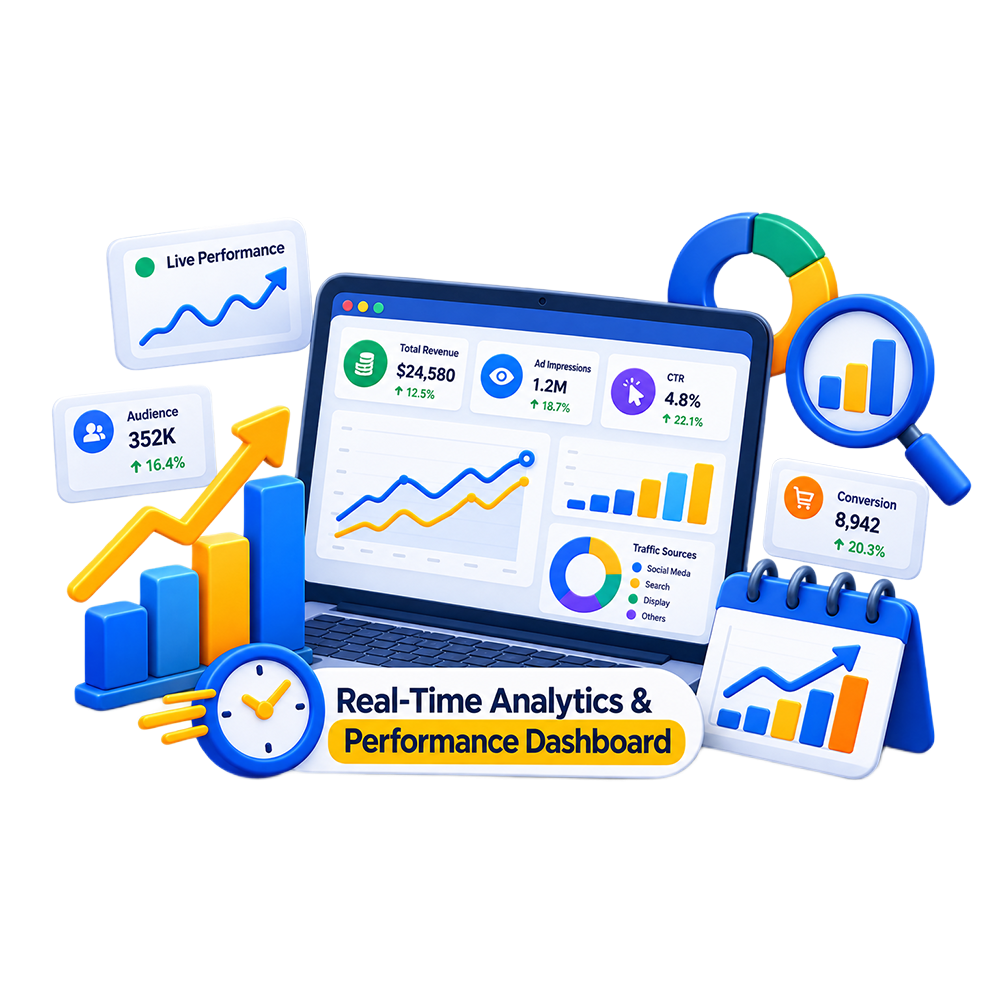
Bunce Ads combines publisher partnerships, sales tracking, transaction monitoring, campaign reporting, and optimization to help brands build a scalable performance-based sales channel.
Our focus is on connecting advertisers with relevant publishers and helping them identify the partnerships that generate genuine commercial value.
CPS stands for Cost Per Sale. It is a performance marketing model where publishers receive payment when they generate a qualifying sale for an advertiser through an approved campaign.
An advertiser provides an offer and campaign terms to publishers. Publishers promote the offer, customers click through and make purchases, and tracking technology attributes qualifying sales to the appropriate publisher.
Yes. CPS is particularly suitable for e-commerce because online purchases can generally be tracked and attributed to marketing partners, allowing advertisers to connect publisher activity with completed transactions.
Tracking technology can connect a customer’s interaction with a publisher to a subsequent transaction. This helps advertisers identify sales sources and determine publisher performance.
Campaign terms can define how cancellations, returns, refunds, duplicates, and other non-qualifying transactions are treated. Advertisers should establish validation requirements before launching the campaign.
Yes. Advertisers can structure campaigns around individual products, product categories, seasonal offers, new launches, or broader product portfolios depending on their objectives.
Both matter, but revenue and profitability provide important context. A publisher generating fewer sales with higher-value orders may contribute more commercial value than a source generating many low-value transactions.
Yes. Successful campaigns can be expanded by onboarding additional publishers, promoting more products, entering new markets, testing new creatives, and increasing exposure through high-performing traffic sources.
Advertisers can optimize publisher selection, product offers, promotional assets, landing pages, customer experience, geographic targeting, and campaign incentives based on actual sales and conversion data.
Share your product details, target audience, sales goals, campaign terms, geographic requirements, and desired publisher profile with the Bunce Ads team. We can help structure a CPS campaign focused on measurable sales growth.